Corporate and invoice fraud
Examine relationships between employees, suppliers and companies. Place invoices and payments in context to review coincidences and possible conflicts of interest.
 Yappari
Connect people, companies, payments and communications to examine irregularities. Build an explanation of the case grounded in facts and sources.
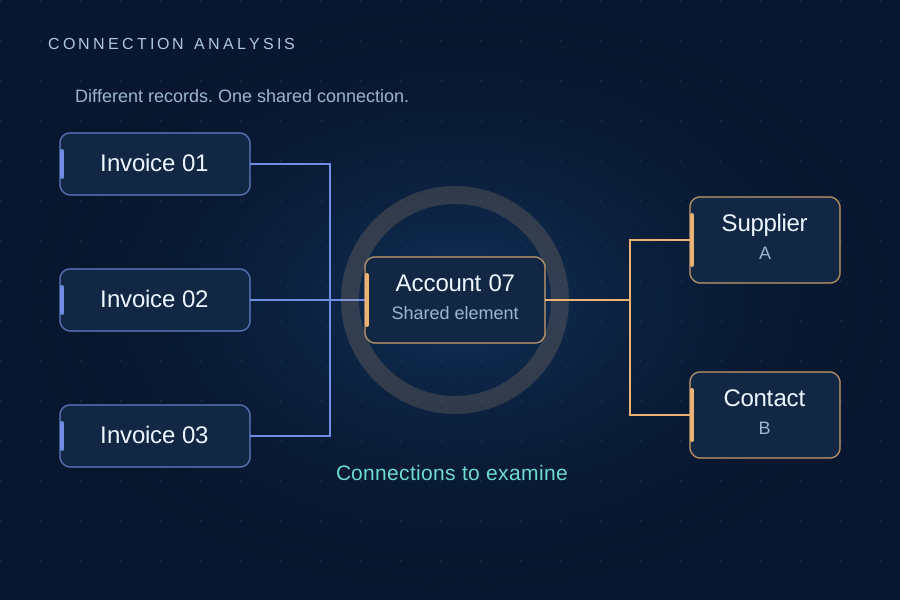
Examine relationships between employees, suppliers and companies. Place invoices and payments in context to review coincidences and possible conflicts of interest.
Connect messages, account changes and transfers. Reconstruct the path of a payment request and the identities involved.
Organize claims, transactions or case files that share elements. Explore the available relationships while preserving each event’s sources and context.
Fraud analysis combines financial movements with business relationships and the sequence of communications.
Use the chart to follow entities and transactions. The timeline helps compare requests, approvals and payments against the available documentation.
A coincidence is a starting point for reviewing the case. Analysis must be checked against sources and context before assigning responsibility or reaching conclusions.
If you have a question about Yappari or its application to your professional context, you can write to us.

